QuR969uMICM
If the player shows an error, open the video on YouTube.
Mode: General
Source: transcribed
Some parts may be inaccurate due to unclear audio/transcript.
Quick Summary
The speaker introduces a game involving a coin toss between a human and a quantum computer, illustrating the concept of quantum computing.
In the game, players have a 50% chance of winning if everyone plays honestly.
Quantum computers operate on principles of quantum physics, manipulating particles like electrons and photons differently than classical computers.
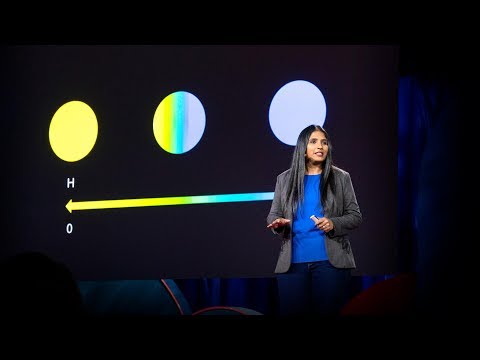
Unlike classical computers, which use binary (0s and 1s), quantum computers utilize quantum bits (qubits) that can exist in multiple states simultaneously (superposition).
The speaker conducted an experiment where 372 participants played the coin toss game against a quantum computer, which consistently won due to its ability to exploit quantum properties.
Quantum superposition allows the quantum computer to maintain a mix of outcomes, leading to a higher probability of winning.
The speaker highlights three potential applications of quantum technology:
Quantum Encryption: Using quantum properties to create unbreakable encryption keys for secure communication.
Healthcare: Quantum computing could enhance drug design and analysis, potentially leading to breakthroughs in treating diseases like Alzheimer's.
Quantum Information Transfer: The possibility of transmitting information instantaneously without physical transfer, leveraging quantum entanglement.
The speaker emphasizes the importance of responsible development of quantum technologies and the exciting potential for future discoveries in quantum physics.
The talk concludes with a reflection on the wonders of exploring the unknown through quantum science.
Overview
- 1 The speaker introduces a game involving a coin toss between a human and a quantum computer, illustrating the concept of quantum computing.
- 2 In the game, players have a 50% chance of winning if everyone plays honestly.
- 3 Quantum computers operate on principles of quantum physics, manipulating particles like electrons and photons differently than classical computers.
- 4 Unlike classical computers, which use binary (0s and 1s), quantum computers utilize quantum bits (qubits) that can exist in multiple states simultaneously (superposition).
- 5 The speaker conducted an experiment where 372 participants played the coin toss game against a quantum computer, which consistently won due to its ability to exploit quantum properties.
- 6 Quantum superposition allows the quantum computer to maintain a mix of outcomes, leading to a higher probability of winning.
- 7 The speaker highlights three potential applications of quantum technology:
- 8 Quantum Encryption: Using quantum properties to create unbreakable encryption keys for secure communication.
- 9 Healthcare: Quantum computing could enhance drug design and analysis, potentially leading to breakthroughs in treating diseases like Alzheimer's.
- 10 Quantum Information Transfer: The possibility of transmitting information instantaneously without physical transfer, leveraging quantum entanglement.
- 11 The speaker emphasizes the importance of responsible development of quantum technologies and the exciting potential for future discoveries in quantum physics.
- 12 The talk concludes with a reflection on the wonders of exploring the unknown through quantum science.